Guides
5 Local Promotion Ideas for a Small Business with No Budget
Local promotion ideas for a small business with no budget start with free channels: chalk, bulletin boards, Nextdoor and event piggybacking.
What to take away
These 5 local promotion ideas for a small business with no budget use free channels and your time.
- Zero budget means zero paid media. That rules out sponsored posts, boosted listings, print ads and paid event tables.
- Five free channels do the worksidewalk chalk, community bulletin boards, Nextdoor, event piggybacking and Google Business Profile posts.
- Named free toolsNextdoor, Google Business Profile, Craigslist, Facebook Marketplace, Canva Free and Eventbrite.
- The real cost is your hours. Budget 3 to 5 hours a week, not money.
- Stop when a channel costs more than 2 hours per new customer and produces nothing after 6 weeks.
- Free channels break when they annoy neighbors, landlords or code enforcement. Check the rule before you chalk a sidewalk.
What the constraint removes
The limit here is measurable: $0 for media, one person, and an audience that does not exist yet. No email list, no follower count worth naming, no press contacts. That rules out anything with a minimum spend. Sponsored posts, boosted listings, direct mail, radio spots and paid event tables are gone.
It also rules out the tactics that quietly need money to look credible. A branded booth, printed banners, giveaway inventory, a photographer. If a tactic needs a receipt, it is out of scope this quarter.
What remains is time. Treat it as the budget. Three to five hours a week is realistic for a one-person shop, and that number decides how many channels you can run.
Five free local promotion ideas
Five free channels do most of the work, and each has a catch.
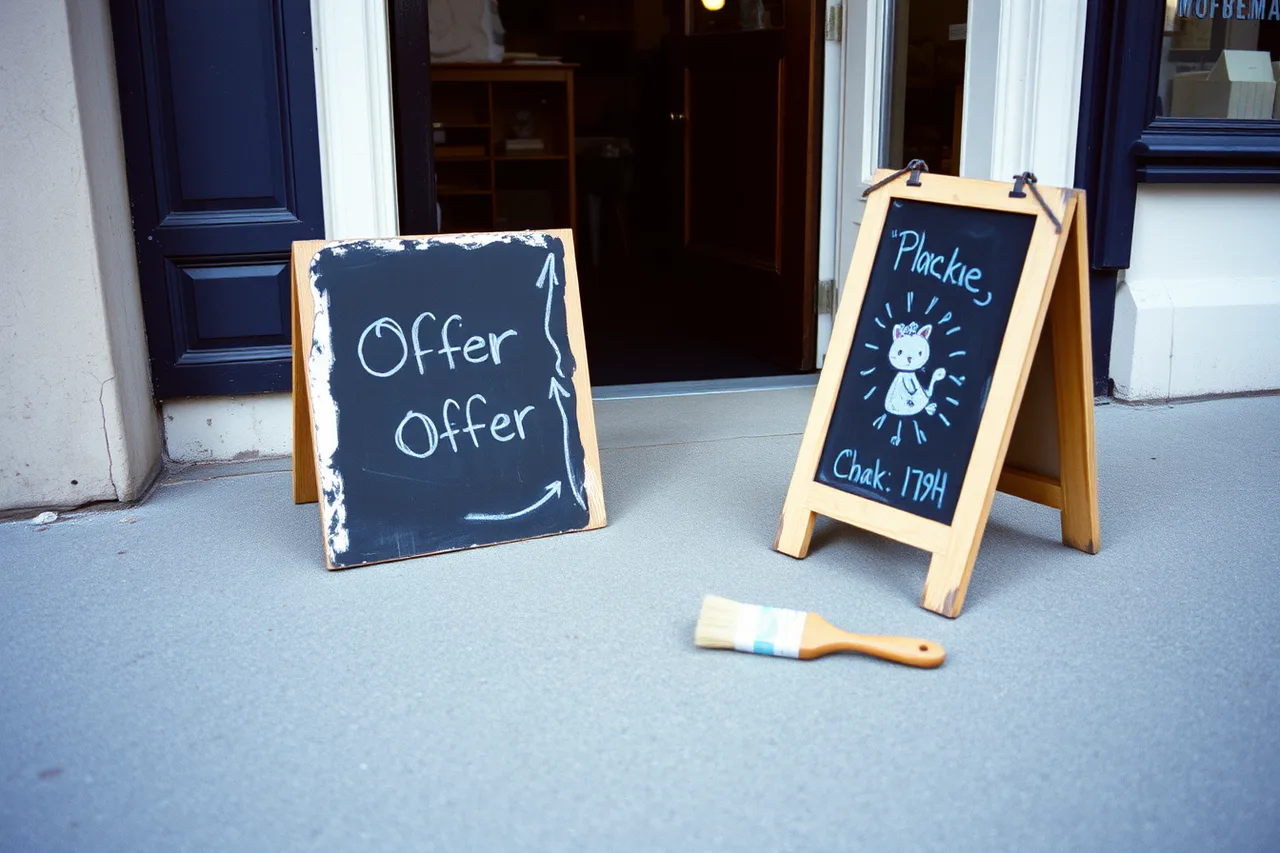
- Sidewalk chalk near your entrance, changed twice a week, with one offer and one direction. Crayola Washable Sidewalk Chalk and Prang chalk typically cost $3 to $8 a pack at Walmart or Target. Borrow chalk from a school if your budget is truly $0.
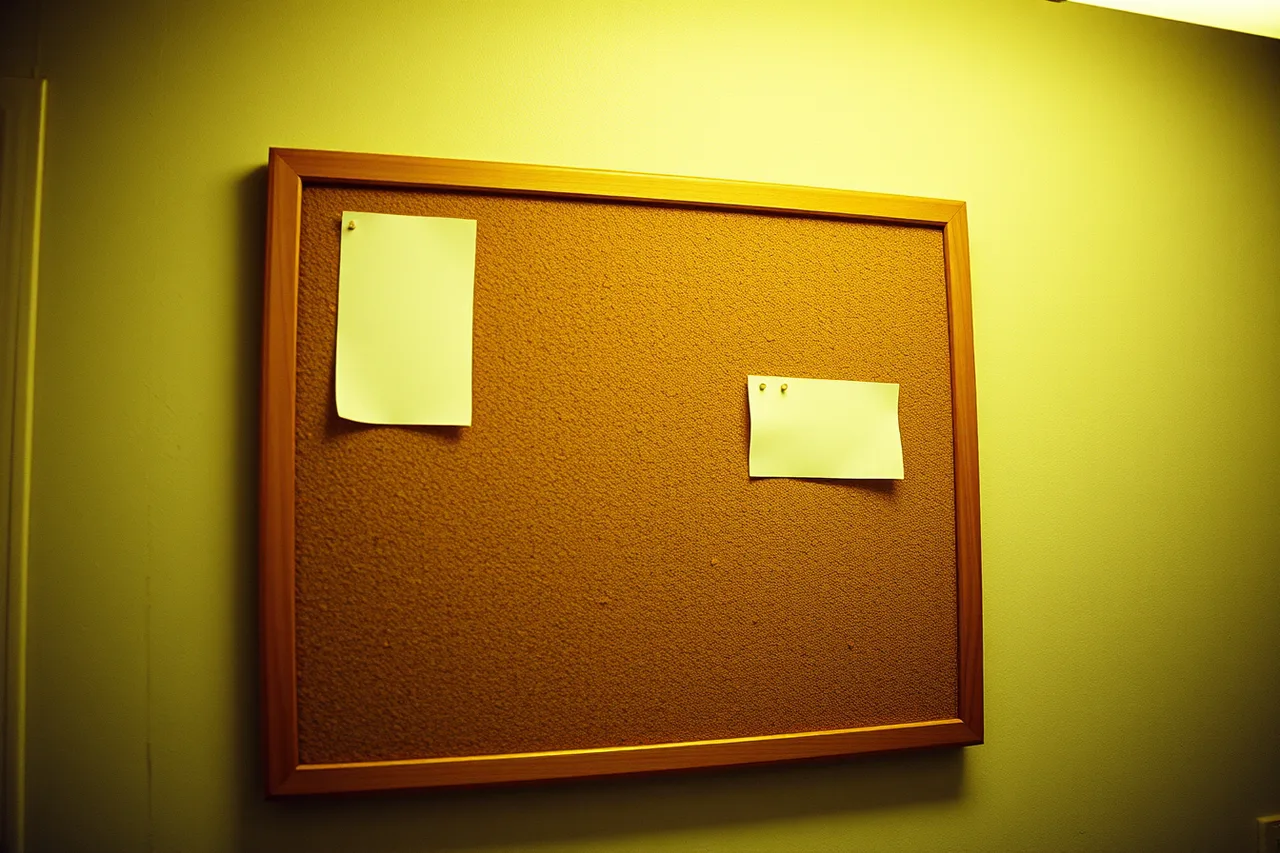
- Community bulletin boards at public libraries, laundromats, coffee shops and grocery stores. Use Canva Free to make a card. Ask each board owner how long cards stay up. Expect a handful of calls, not a rush.
- Nextdoor posts in your own neighborhood, plus replies to neighbors asking for recommendations. Post once or twice a week. More reads as advertising and gets reported.
- Piggybacking on events you do not sponsorfarmers markets, school fairs, street festivals. Find them on Eventbrite or Facebook Events. Open early, chalk a sign and hand out samples.
- Google Business Profile posts and Q&A. The profile is free. Add updates, photos and answers to common questions. Craigslist community listings and Facebook Marketplace are free backups for goods and services.
Guerrilla marketing for local business usually means exactly this kind of low-cost, unconventional tactic, and the overview of guerrilla marketing is a fair starting point for the mindset.
Chalk is the cheapest and the most fragile. Rain erases it, and some cities treat writing on public sidewalks as vandalism. The ADA guidance on accessible routes and obstacles matters here too, because anything that blocks a path is a problem regardless of what it says.
Bulletin boards are free but slow. A card stays up for weeks and gets seen by the same small crowd. Expect a handful of calls, not a rush.
- Confirm your city allows chalk on sidewalks, and where
- Ask each board owner how long cards stay up
- Keep a stack of cards in your bag at all times
- Note the date every card goes up so you can replace it
- Check that your Google Business Profile hours and address are correct
Example: piggybacking without paying
A bakery near a Saturday farmers market cannot afford a vendor table. Instead, it opens an hour early, puts a chalk sign at the corner pointing toward the door, and hands out day-old samples to people walking to the market. No sponsorship, no fee, no table.
The owner tracks one number: how many people mention the sign or the sample. That is a rough count, not a measurement system, and it is enough to decide whether to repeat it next week. Word-of-mouth promotion works this way, and the concepts behind word-of-mouth marketing explain why the sample beats the flyer.
Compromises worth making
Post less often than you think you should. One good Nextdoor reply a day beats five generic posts a week, and it takes less time.
Reuse everything. One photo from a market stall becomes a Nextdoor post, a card image and a reply to a neighbor. If you are rebuilding your approach from scratch, getting local SEO for small businesses right the first time saves more hours than any new channel adds.
Accept slow. Free channels compound over months, not days. A bulletin board card that stays up for six weeks is doing work while you sleep.
Skip the audience-building fantasy. You do not need followers. You need twenty people within walking distance who know your name, which is the argument in building customer retention around cohorts.
Compromises that are not
Do not spam Nextdoor. Posting the same offer in five neighborhoods you do not serve gets you reported, and reports cost you the account.
Do not chalk on private property or block a doorway. That is the fastest route to a complaint, and a complaint can end the whole tactic.
Do not fake a grand opening or an anniversary. Neighbors notice, and the common elements of grand opening events only work when the event is real.
Do not trade your only free hours for a channel that needs money later. A free trial that converts to a paid plan is not a no-budget tactic.
When to stop and resource it properly
The threshold is simple. If a channel costs more than 2 hours per new customer, or produces nothing after 6 weeks of consistent effort, stop it. Chalk in winter, when snow covers the sidewalk, fails that test by default.
When you do have money, spend it on the channel that already worked for free. If Nextdoor replies bring customers, a small local ad budget makes sense, and a working brief on small business marketing budgets shows where the first dollars should go.
Until then, keep the five free channels running and protect your hours. The constraint is not a permanent state. It is a starting position.