Operations
Miami bilingual promotion guide for tourism and food businesses
This Miami local promotion guide shows tourism and food businesses how to run bilingual English and Spanish campaigns, from Google Business Profile to local media.
What to take away
- This Miami local promotion guide covers bilingual promotion in English and Spanish for tourism and food businesses.
- Google Business Profile supports a Spanish listing, but only one language shows at a time, so plan your default carefully.
- Miami has Spanish-language television, radio, print and digital outlets that reach residents and visitors alike.
- Greater Miami tourism bodies publish visitor statistics and partner programs you can time campaigns around.
- Track calls, bookings and redemptions by language so you know which version earns money.
Why bilingual promotion matters for Miami tourism and food businesses
Miami runs in two languages at once. A visitor from Bogota, a snowbird from Quebec and a family from Hialeah may all walk past your door on the same afternoon. English-only signage and offers quietly exclude a large share of that foot traffic.
Spanish is not a translation afterthought here. It is a first language for many customers, and a comfort signal for others. When a menu, a tour listing or a front-desk greeting appears in Spanish, the business reads as local rather than as a chain passing through.
Bilingual work also feeds the visitor economy. Tourists research in their own language, then decide where to eat and what to book. If your listing, reviews and offers only exist in English, you are invisible in half the searches that matter.
Service businesses feel this too. Salons, tour guides, repair shops and clinics all compete for the same bilingual customer base. A Spanish review response costs nothing and often earns a reply in kind.
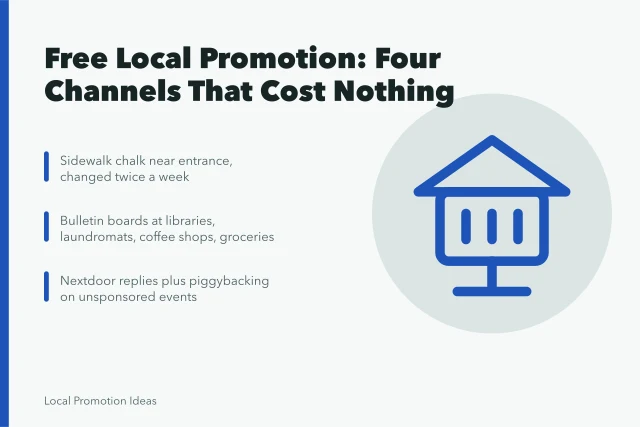
Start with cheap wins before paid ads. Free and low-cost tactics, including the ones in these local promotion ideas, let you test Spanish messaging without a big budget.
Setting up Google Business Profile in English and Spanish
Google Business Profile is usually the first thing a hungry tourist sees. Set it up properly in both languages before you spend a dollar elsewhere.
Google's own walkthrough explains the basics of claiming and verifying a listing. Follow the Google Business Profile setup guide to claim or create your profile, verify the business, and confirm the address and service area.
Here is the sequence that works for a bilingual listing:
- Claim and verify the profile, then fill in the English name, category and description.
- Add a Spanish description in the same fields where the profile allows alternate language content.
- Set hours, attributes and service options so they are correct in both versions.
- Upload photos with Spanish and English captions where the interface allows it.
- Post updates in both languages on a steady schedule, not once and forgotten.
Hours, categories and attributes are the fields customers check most, and they change often around holidays and season. The help pages on managing business information cover editing those details, including the ones that affect whether you appear for the right searches.
Reviews need attention in both languages. Reply in the language the customer used, and keep the tone the same in each. A Spanish reply to a Spanish review signals that a real person is reading.
Spanish-language business support exists beyond Google too. The federal government publishes recursos para pequeñas empresas covering registration, funding and marketing basics, useful if your team works primarily in Spanish.
Local media and Spanish-language outlets in Miami
Miami local media is split across languages, and each side reaches a different audience. English outlets tend to reach visitors, transplants and the business press. Spanish outlets reach long-time residents, family networks and a large share of the workforce.
Television, radio, print and digital outlets all operate in Spanish in South Florida, alongside the English daily and the local business weeklies. A restaurant opening in Little Havana and a tour operator in Brickell should not pitch the same list.
Pitch the outlet, not the language. A Spanish-language food segment wants a story with faces and flavor, not a press release translated word for word. A business columnist wants numbers and a local angle.
Community and neighborhood publications often have smaller audiences but higher trust. A mention in a Spanish-language radio segment can outperform a paid post for a restaurant with a local following.
Reporters get hundreds of pitches. A short, specific note with a clear hook and a named spokesperson gets answered. The approach in this guide to pitch local media works in either language if you keep it brief.
Build a simple list: two English outlets, two Spanish outlets, one trade or neighborhood publication. Update it each quarter as staff move.
Tourism board resources and seasonal campaign timing
Greater Miami's tourism organizations publish visitor data, event calendars and partner programs that small businesses can use without a large budget. Check what the county tourism body and the city's visitor bureaus offer before you build a campaign from scratch.
Seasonality drives everything in Miami. High visitor season runs roughly from late fall through spring, with summer heat and hurricane season reshaping demand. Food businesses see different peaks than hotels and attractions.
Partner programs sometimes include co-op advertising, listing pages and event slots. Ask what is free before you pay for placement. Tracking the results still falls on you.
Time promotions to the calendar rather than to your mood:
- Check the tourism calendar for major events, conventions and festivals six to eight weeks out.
- Confirm your Google Business Profile hours and holiday schedule before each peak.
- Prepare Spanish and English offer copy in advance, not the week of.
- Brief staff on the promotion in both languages.
- Line up one local media pitch per peak period.
- Set a redemption code or tracking method before launch.
Free help is available locally. The SBA local assistance directory lists Small Business Development Centers, SCORE mentors and district offices in the Miami area that advise on marketing and can review a bilingual plan at no cost.
If you are opening rather than expanding, the timing rules overlap with these grand opening ideas, which are easy to run in two languages.
Writing offers that read naturally in both languages
Bad translation is worse than no translation. A literal Spanish version of an English slogan often sounds stiff, or worse, means something unintended.
Write the offer in the language your customer thinks in, then adapt rather than translate. A happy hour is not always a happy hour in Spanish. A family deal, a two-for-one, a free appetizer with an entree: each needs its own phrasing.
Keep headlines short. Long English sentences rarely survive translation intact. A five-word offer in each language beats a paragraph in one.
Keep prices, dates and conditions identical in both versions. Mismatched terms create complaints and, in advertising, can invite scrutiny. Tax and licensing claims should be checked against the IRS small business tax center in Spanish before you print anything.
Use a native speaker on staff or a paid reviewer for anything customer-facing. Menu items, tour descriptions and review responses all benefit from a second set of eyes.
Watch for regional differences too. Cuban, Venezuelan, Colombian and Puerto Rican Spanish all show up in Miami, and word choices vary. Plain, neutral Spanish travels best.
Measuring response by language and adjusting
If you cannot tell which language produced a sale, you cannot improve either version. Set up measurement before the campaign starts, not after.
Use separate tracking for each language:
| Signal | English version | Spanish version |
|---|---|---|
| Phone calls | Tracked number A | Tracked number B |
| Website visits | UTM tag EN | UTM tag ES |
| Offer redemptions | Code EN | Code ES |
| Booking requests | Form field | Form field |
A tracked phone number or a distinct promo code is enough for most small businesses. You do not need analytics software to learn which version pays.
Review results monthly. If Spanish posts drive bookings and English posts drive calls, split your effort accordingly instead of duplicating everything.
Expect the mix to shift by season and by neighborhood. What works in Coral Gables may not work in Wynwood or Hialeah.
The broader questions owners ask about budgets, channels and returns are covered in this guide to local tv advertising cost small business, and the same logic applies in both languages.
Note which channel each response came through, not just which language. A Spanish radio spot and a Spanish social post can perform very differently even when the language matches.
One caution: rules about language in commercial signage and advertising vary by jurisdiction. Miami is not Montreal, and the requirements differ sharply, as this overview of language laws makes clear for businesses comparing markets.
Common questions
Do I need a separate Google Business Profile for Spanish? No. You manage one profile and add Spanish content where the interface allows it. Only one language displays at a time, so choose the default that fits most of your customers.
Is Spanish-language advertising worth it for a small Miami restaurant? For many neighborhoods, yes. Spanish speakers make up a large share of both residents and visitors, and Spanish offers often get shared through family and community networks that English ads miss.
Where can I get free help with a bilingual promotion plan? The SBA local assistance directory lists Miami-area Small Business Development Centers and SCORE mentors. County tourism partner programs and chambers also offer low-cost workshops.
How do I know if Spanish or English performs better? Use a separate phone number, promo code or landing page for each language. Compare calls, bookings and redemptions monthly, then shift budget toward whichever version converts.
Can I just run my English ad through a translation tool? You can, but the result often sounds unnatural or changes the meaning. Have a native speaker review anything customer-facing before it runs.
Does Miami have language rules for business signage? Miami does not impose the kind of commercial language restrictions found in some Canadian provinces. Local sign permits and zoning rules still apply, so check with the city before installing signage.