Strategy
Small Business Saturday and the SBA, a national promotion playbook
Local promotion ideas for Small Business Saturday: SBA district office help, Amex registration, chamber toolkits, an eight-week timeline, and a sample budget.
What to take away
- Strong local promotion ideas for Small Business Saturday pair free SBA district office help with an American Express Shop Small listing and a chamber toolkit.
- SBA district offices and resource partners offer free counseling, templates, and local data before and during the event.
- American Express event registration puts your store on the Shop Small Map, which drives foot traffic on the day.
- Chambers supply toolkits, co-op advertising, and templates that cut planning time and cost.
- An eight-week timeline and a sample budget keep spending controlled and measurable.
Why Small Business Saturday still moves the needle for US independents
Small Business Saturday lands the Saturday after Thanksgiving. It gives US independents a national spotlight without a national ad budget. Shoppers deliberately seek out local stores that day, and the event repeats every year, so your list, signage, and email segments keep working.
For a Main Street retailer, the day can rival a good December weekend. For a service business, it is a reason to run a booking special and collect emails. Either way, it is a low-cost entry into holiday promotion.
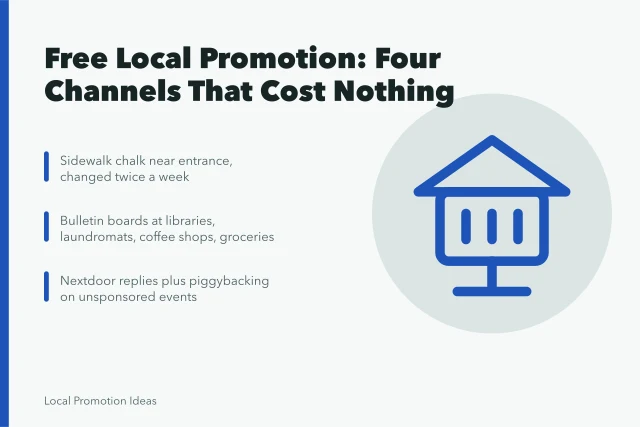
Start with simple local promotion ideas that cost little: a sidewalk chalkboard, a door sign, a Google Business Profile post, and a text to your customer list. The event rewards preparation more than spending.
Use the SBA's growth guidance covering local marketing and promotion tactics to shape your plan before you buy anything. It is written for owners, not agencies.
What SBA district offices actually provide before and during the event
Every state has at least one SBA district office, and larger states have several. They are the local arm of the agency, staffed by people who know your market. Find yours through the SBA's local assistance page, which lists offices, resource partners, and nearby help.
Before the event, a district office can connect you with free counseling, help you sharpen your offer, and point you to local data. Some offices run pre-holiday workshops on marketing and e-commerce. Ask what they have scheduled for October and November.
During the event, district offices often amplify local businesses on social media and through press lists. They may send a representative to visit shops. That visit is a photo and a quote you can reuse.
SBA resource partners such as SBDCs and SCORE do much of the hands-on work. SCORE mentors can review your flyer or ad copy at no charge. SBDCs can help with pricing, websites, and customer research.
To name a contact, use the SBA district offices list and look up the office for your state and city. Call the main number and ask for the person handling Small Business Saturday outreach. Large states run several offices, so confirm which one serves your county.
If you need working capital, an SBA microloan can cover signage, printing, or a temporary hire. Do not borrow for a one-day event unless the spend also builds year-round assets like a website or an email list.
Registering your event with American Express and what the listing gets you
American Express runs the Shop Small campaign behind Small Business Saturday. Registration is free for eligible businesses and puts your store on the Shop Small Map, the directory shoppers use to find participating locations.
A listing gives you a pin on the map, a store profile, and access to downloadable marketing materials. Shoppers who use the map are already looking to spend locally that day, so the listing is a direct traffic source, not just a badge.
Registration typically opens in the fall. Sign up as early as you can so your profile is live before the map gets heavy traffic. You will need basic store details, hours, and a category.
After you register, download the signage and social graphics. Put the window decal where pedestrians can see it from the sidewalk. Add the map link to your email footer and your Google Business Profile post.
If your business sells services rather than goods, you can still register and run an appointment special. The map includes many service categories. Pair the listing with a booking link so the click turns into a calendar slot.
Chamber of commerce toolkits, templates, and co-op advertising
Your local chamber is the fastest source of ready-made campaign assets. Many chambers publish a Small Business Saturday toolkit with posters, social captions, email copy, and a press release template.
Toolkits save you design time and keep your messaging consistent with other local shops. That consistency helps when several stores promote the same day in the same neighborhood.
Chambers also organize co-op advertising. Several members split the cost of a newspaper insert, radio spot, or social ad, which lowers your share. Ask your chamber about joint buys for the Thanksgiving weekend.
Some chambers run passport programs or prize drawings across member stores. Those events create a reason for shoppers to visit multiple businesses, which spreads traffic beyond the anchor store.
If your chamber does not have a toolkit, ask for the template they used last year and adapt it. You can also borrow structure from a grand opening ideas playbook and swap the opening language for holiday language.
A sample eight-week timeline from planning to follow-up
Use this sample eight-week timeline. It starts eight weeks before Small Business Saturday and ends the week after.
- Week 1: Set your goal, pick one hero offer, and confirm your hours for the day. Register or update your Google Business Profile.
- Week 2: Register your event with American Express and download the signage. Contact your SBA district office and book a free counseling session.
- Week 3: Request your chamber toolkit and ask about co-op advertising deadlines. Draft your budget using the sample below.
- Week 4: Order signage, bags, and any printed flyers. Write your email and social copy.
- Week 5: Announce the event to your email list and post the date on social. Confirm offer details with every staff member who will work the day.
- Week 6: Confirm staffing and any entertainment. Post reminders and share the Shop Small Map link.
- Week 7: Final walkthrough of the store, offers, and checkout process. Send a reminder email two days out.
- Week 8: Run the event, capture photos, collect emails, and post live updates. Follow up within three days with a thank-you offer.
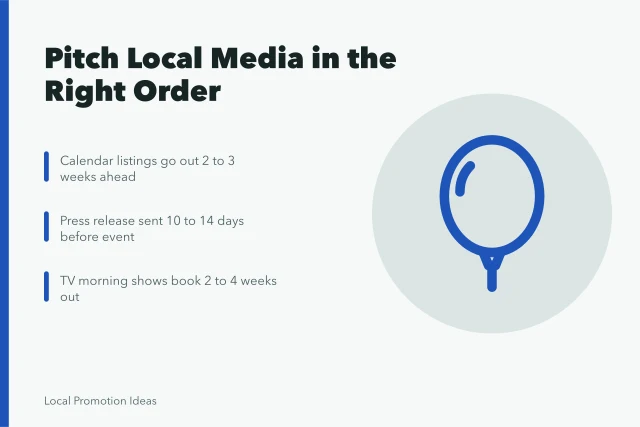
The timeline assumes you already have a customer list. If you do not, add a sign-up sheet at the register in week 1. Week 5 is also the right moment to pitch local media with a story angle about your shop and the day.
Budgeting a Small Business Saturday campaign with SBA-backed funding options
A small campaign can run on a few hundred dollars. The table below is a sample campaign budget for a single retail location. Adjust the amounts to your market and margins.
| Line item | Low | Moderate | Notes |
|---|---|---|---|
| Signage and window decals | $50 | $150 | Reusable each year |
| Printed flyers and bags | $75 | $300 | Order early for better rates |
| Social ads | $100 | $500 | Target a 10-mile radius |
| Co-op advertising share | $0 | $250 | Split with chamber members |
| Refreshments and samples | $50 | $200 | Keep receipts |
| Staff overtime | $0 | $200 | Only if you extend hours |
| Total | $275 | $1,600 | Track against sales |
Fund the campaign from cash flow first. If you need more, SBA loan and microloan programs can cover equipment or inventory that outlasts the event. A loan for one day of flyers rarely pays back.
Set your budget before you spend, and if you want a framework for that planning, start with these common small business marketing strategy questions. Decide the total, subtract signage and printing, then split what remains between ads and follow-up. Keep at least 20 percent for the week after the event.
If cash is tight, use local promotion ideas that cost nothing and put the savings into email and signage. Free tactics still need a plan and a schedule.
Measuring the day after: foot traffic, redemptions, and repeat visits
Count foot traffic with a simple door tally or a counter app. Compare the day to a normal Saturday in November, not to your best day ever.
Track redemptions by using a single offer code or a mention-this-email phrase. If you run a passport or drawing, count entries and note which stores shoppers visited.
Measure repeat visits by tagging new email signups from the event and sending a second offer two weeks later. The second visit is where the profit usually sits.
Ask every customer how they heard about you. Record the answers in a notebook or a spreadsheet. After the event, sort the responses into map, email, social, walk-by, and media.
Before you repeat a paid ad next year, run through a sidewalk sign promotion small business guide so your money follows the channels that actually moved customers. Then write a one-page note for next year. That note is the real asset.
Common questions
Is American Express event registration free for small businesses? Yes, registration for the Shop Small Map is free for eligible businesses. You provide store details and receive a listing plus downloadable marketing materials.
Can I get help from an SBA district office if I am not applying for a loan? Yes. District offices and resource partners offer free counseling, workshops, and local marketing help regardless of whether you borrow.
Do I need a chamber membership to use a Small Business Saturday toolkit? Some chambers share toolkits publicly, but most reserve templates and co-op advertising for members. Ask your chamber what is open to nonmembers.
How much should a first-year campaign cost? Many single-location shops spend between $275 and $1,600, depending on ads and printing. Start low and reinvest what the day earns.
What should I measure first? Start with foot traffic and email signups. They are easy to count and predict repeat visits better than one-day sales alone.
When should I start planning? Eight weeks out is comfortable. If you are late, register with American Express first, then handle signage and email.